Engineering certainty
across high-consequence sectors.
We operate where software failure is not an option. While the specific regulations change, the rigorous engineering mindset remains the same.
Same engineering discipline. Different domains.
Whether in vehicles, aircraft, medical devices, or industrial systems, our work follows the same principles: system clarity, controlled complexity, and engineering decisions that remain valid over time.
Automotive
Software-Defined Vehicle Engineering
As vehicles transform into servers on wheels, the traditional boundaries of mechanical and software engineering are dissolving. We help OEMs and Tier-1s navigate the complexity of autonomous features, electrification, and connectivity without compromising safety.
Megatrends
- Shift to Zonal E/E Architectures
- L3+ Autonomous Driving Deployment
- Continuous Deployment (CI/CD) in Safety Systems

Industry Challenges
Integration Complexity
Merging high-performance computing (HPC) units with legacy safety microcontrollers requires bridging two very different software paradigms.
Cybersecurity Compliance
New regulations like UN R155 demand that cybersecurity is not an afterthought but a foundational phase of the lifecycle.
Data Volume
Managing the terabytes of sensor data required for SOTIF (Safety of the Intended Functionality) validation.
Aerospace & Defense
Avionics & Unmanned Systems
The aerospace sector is facing a dual challenge: maintaining the strong safety record of legacy fleets while certifying increasingly complex, software-intensive, and partially autonomous aerial systems.
Megatrends
- Urban Air Mobility (eVTOL)
- Single-Pilot & AI-Assisted Operations
- COTS Hardware in Safety Critical Ops

Industry Challenges
Multi-Core Certification
Proving deterministic behavior on multi-core processors (MCP) to satisfy CAST-32A and A(M)C 20-193 objectives.
AI Trustworthiness
The challenge of integrating non-deterministic components into deterministic certification frameworks.
Tool Qualification
Preventing tool chain drift over multi-decade program lifecycles while modernizing development environments.
Medical Devices
Connected Health & Digital Therapeutics
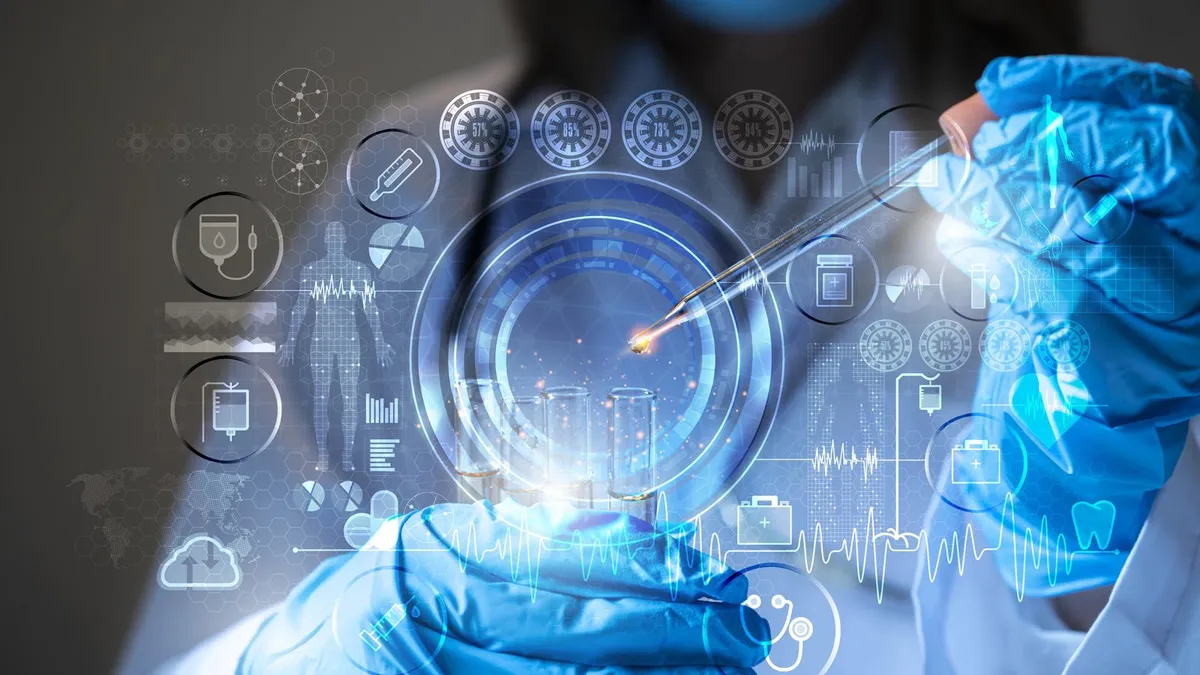
Medical technology is moving from standalone hardware to interconnected ecosystems. The focus has shifted to software lifecycle management, data privacy, and the safety of connected life-sustaining devices.
Megatrends
- Connected Medical Devices
- Software as a Medical Device (SaMD)
- Software-Based Diagnostics
Industry Challenges
Cyber-Physical Security
Protecting devices from ransomware attacks that could directly impact patient safety, not just data privacy.
Regulatory Divergence
Navigating the gap between agile software development speeds and FDA or MDR-regulated environments.
Interoperability
Ensuring safe data exchange between devices from different manufacturers in a clinical setting.
Railway
Signaling & Train Automation
Railway infrastructure is undergoing significant digital transformation to increase capacity and safety. The industry is transitioning from hardware-based interlockings to software-centric, cloud-enabled signaling.
Megatrends
- Automatic Train Operation (ATO)
- ERTMS/ETCS Level 3 Deployment
- Condition-Based Maintenance

Industry Challenges
Obsolescence Management
Maintaining software systems for 30+ years while the underlying hardware becomes obsolete every 5 years.
Cross-Border Interop
Ensuring seamless handovers between national signaling systems across the European rail network.
Open Systems Safety
Moving from closed proprietary networks to open standards (RCA/OCORA) without compromising SIL4 safety integrity.
Energy & Industry
Resilience for Critical Infrastructure
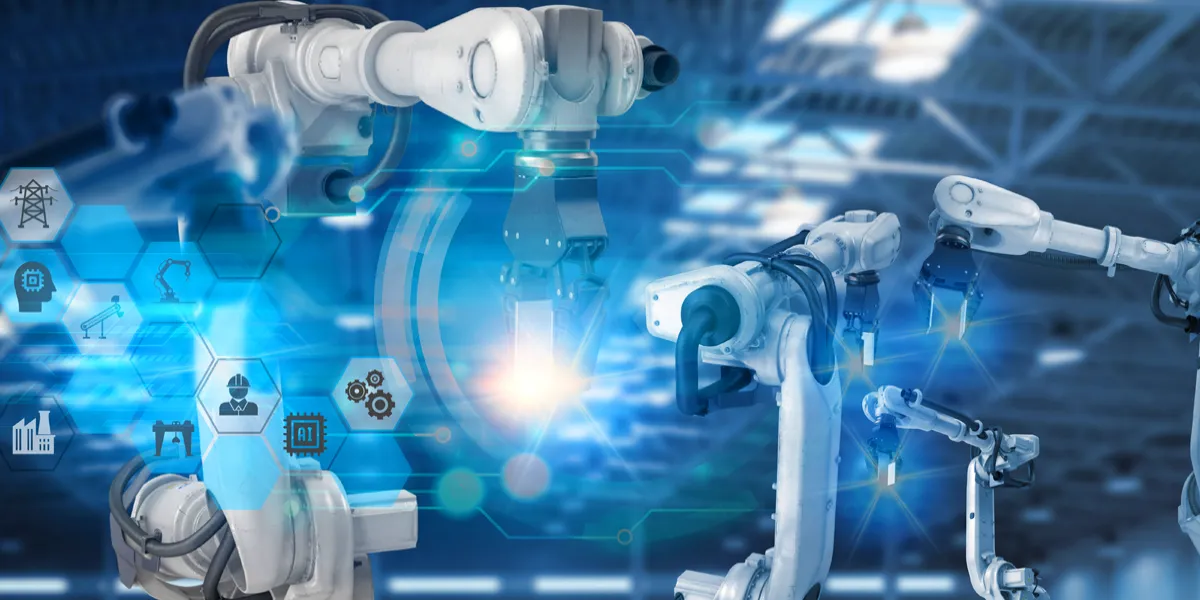
As Industry 4.0 connects operational technology (OT) to the internet, and energy grids become decentralized, the need for robust, secure, and real-time control systems continues to grow.
Megatrends
- IT/OT Convergence
- Distributed Energy Systems
- Simulation-Based Operations
Industry Challenges
The Air-Gap Myth
Accepting that industrial networks are no longer isolated and must be defended with defense-in-depth strategies (IEC 62443).
Real-Time Constraints
Implementing complex control algorithms for renewable integration without violating hard real-time deadlines.
Legacy Integration
Wrapping insecure legacy SCADA protocols in modern security layers without disrupting operations.
Facing similar challenges?
Let's discuss how our engineering expertise can support your next program.
Start a Conversation